
I can’t put my finger on it exactly, but my first clear memory of seeing Godzilla was somewhere around 1997, when I was living with my aunt and uncle. I’d already bounced around the foster care system a half dozen times by then, so landing back with family felt like a kind of victory—despite the fact that I had absolutely no idea how, why, or who my aunt, uncle, and cousins were. It’s an odd phenomenon: being dropped into a life you’re supposed to remember.
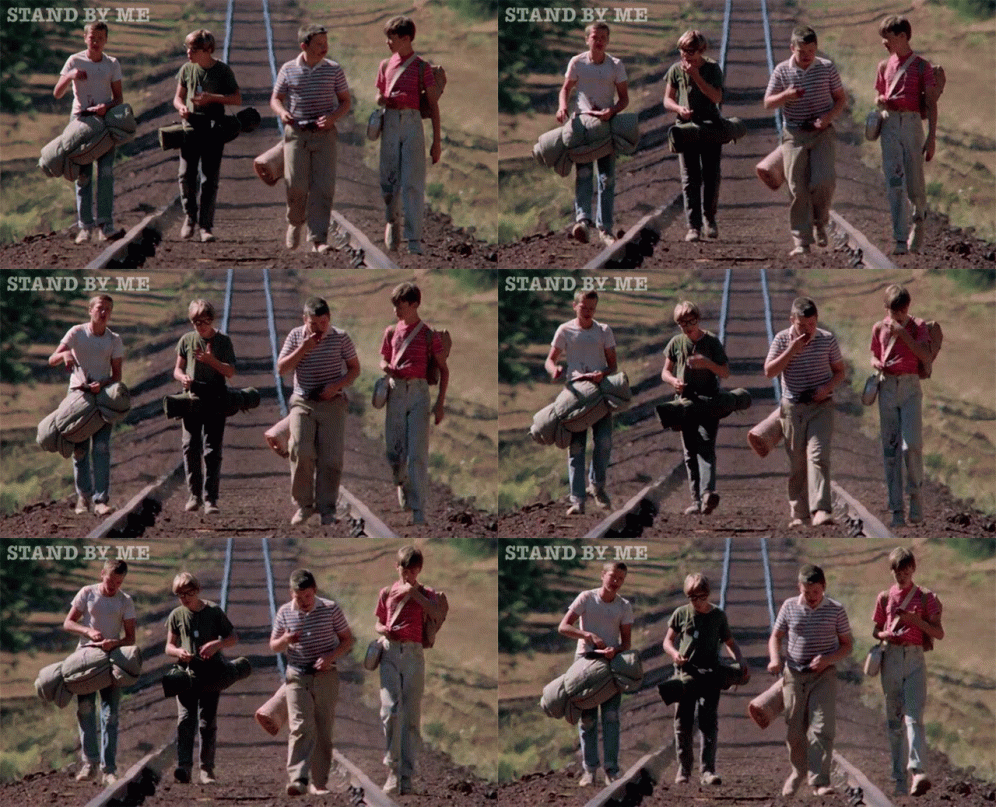
They lived in Wonder Lake, Illinois. Looking back, that era plays in my head like a film reel directed by Hayao Miyazaki and scored by John Williams. It felt like My Neighbor Totoro mashed up with Stand By Me—minus the corpse and giant fuzzy Totoro, of course. Coming from the dense, gritty neighborhoods of Chicago to the open-hearted wilds of the Midwest was a shift I didn’t know I needed. We rode our bikes up and down Sandy’s Hill, caught salamanders in deep wells, trouloped across wide fields, and launched ourselves—bike and all—into murky ponds. That chapter of my life remains a cornerstone of everything I write. In every sense of the word, it was magic—light and shadow and everything in between.
It was that same summer, ’97, when I was sitting at the kitchen counter of a kid—let’s call him Jamie. We were eating cereal, and there on the kitchen table was a small white portable TV, the kind with rabbit ears and built-in fuzz. It was playing the original ’54 Godzilla. Up until that point, my monster diet had been strictly Western: Hellraiser, A Nightmare on Elm Street, The Lost World: Jurassic Park. All of that was cool, sure—but \Zilla hit me differently.
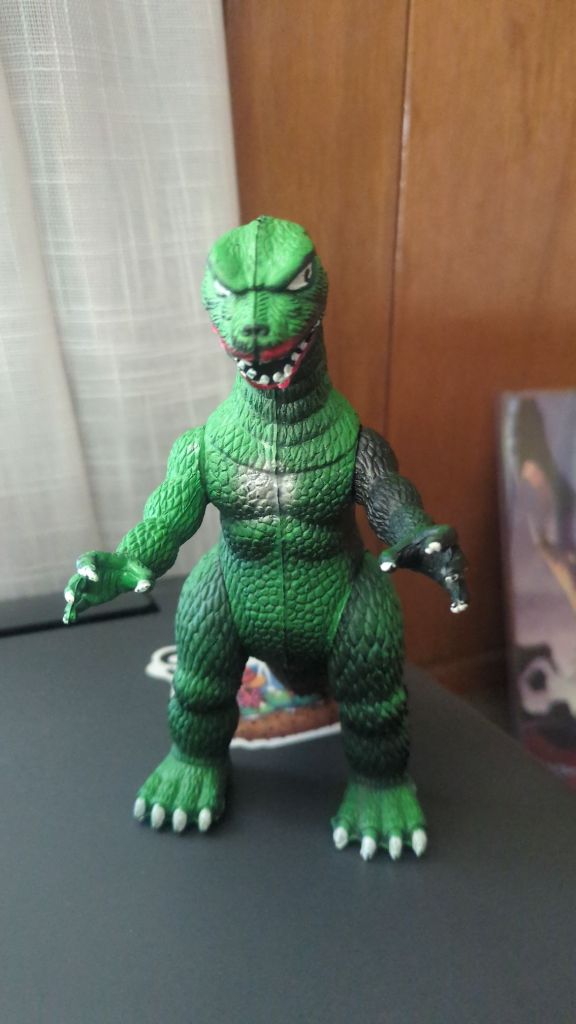
There was something deeply uncanny about that grainy black-and-white image of Godzilla stomping through Tokyo. He wasn’t fast or flashy. He was slow, deliberate, almost mournful. He didn’t just destroy—he lingered. That first close-up—his textured, alien skin, those wide, unblinking eyes—stuck with me like a vivid nightmare you sort of don’t want to wake up from. After that, I devoured everything I could: Godzilla vs. Kong, Roland Emmerich’s weird-but-nostalgic ’98 Godzilla, even the anime trilogy on Netflix. I was hooked.
And that, my friends, was the start of my journey into the world of Tokusatsu.
“The heck is Tokusatsu?” you ask, pausing your scroll to peel the label off your LaCroix. Tokusatsu—literally “special filming”—is a Japanese term for live-action storytelling that leans heavily on practical effects, big emotions, and often, dudes in suits. It’s like the lovechild of pulp comics and stage theater, with a heavy dose of post-war metaphor. And what’s wild is how much of it I had unknowingly grown up with.
I’d been a casual viewer of Ultraman, Gamera, Kamen Rider, and the like for years. I remember watching poorly uploaded clips/movies on YouTube around high school and after, not realizing I was brushing shoulders with an entire universe of storytelling. Back in the ’90s, I even had some of the toys—Power Rangers figures, a busted-up Ultraman I definitely tried to trade at lunch. At the time, I just lumped it all in with Saturday morning cartoons. But it wasn’t until recently, while digging through dusty blue bins at the All Monsters Attack convention in Rosemont, that it clicked. These weren’t just toys—they were memory triggers. They were breadcrumbs back to a version of myself I didn’t know I had access to.
Nostalgia trips, man. They’re time machines. For someone with an unconventional childhood—one built on movement, fragments, and guessing games—pop culture becomes more than just entertainment. It becomes a map.
Back to Tokusatsu.
There’s something comforting about finally having a word to describe something you’ve always loved. The genres within Tokusatsu are like Mountain Dew flavors you didn’t know existed, but once you taste them, you just get it – Code Red anybody?
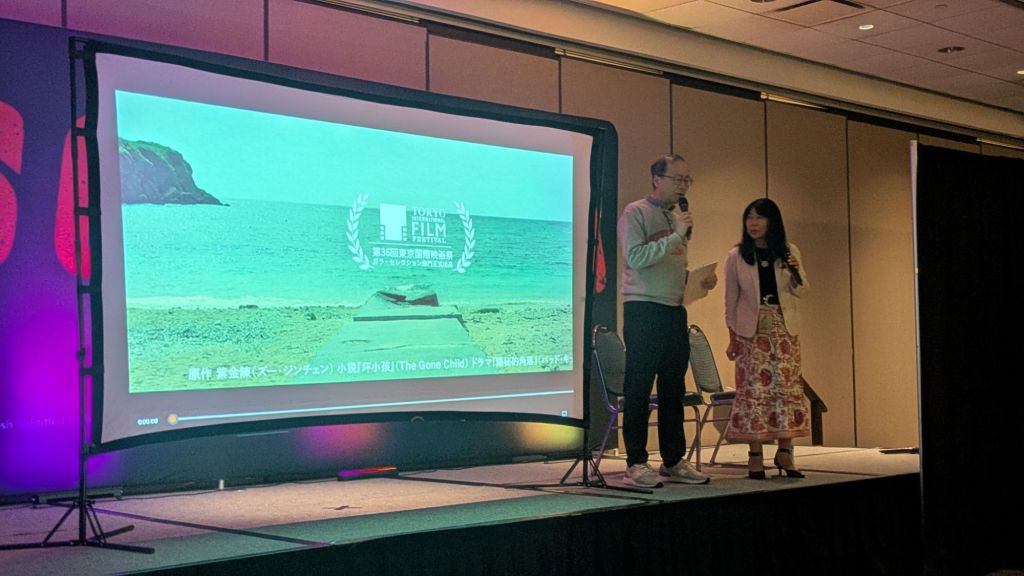
Take Kaiju. I used to think Godzilla movies were just monster smackdowns, popcorn-fueled chaos with cardboard cities. But the more I watched, the more I realized they were deeply personal stories for Japan—reflections of war trauma, environmental anxiety, cultural identity. Watching them now, through an Eastern lens, feels revelatory. And Gamera? Who knew a flying turtle could be so emotionally complex? I even got to sit in on a live interview with Shusuke Kaneko, director of the ’90s Gamera trilogy. Hearing him talk about the soul of these creatures—about how monsters can be metaphors for pain and hope—was surreal. It turned me from a fan into a believer.
And then there’s Kamen Rider. Picture this: a lone motorcyclist, part man, part bug, part weapon, doing battle with evil organizations hell-bent on world domination. It’s like if James Bond, and Doctor Who got spliced in a lab full of neon and vengeance. The original 1971 series is gritty and pulpy and totally earnest. But the movies—Kamen Rider Black, especially—hit different. They carry a weight that predates any Marvel flick. It’s what superhero movies wish they were before they got all self-aware.
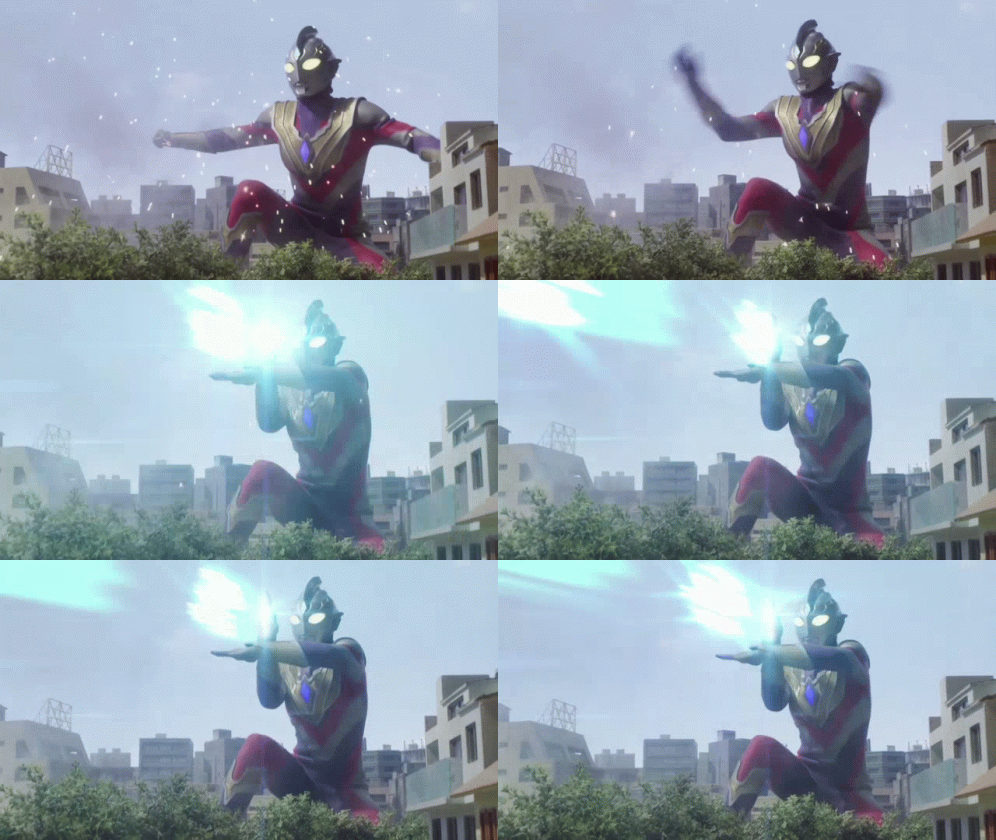
Looking back, it’s clear: Godzilla, Ultraman, Rider, those dusty old toys I half-remember playing with—they’ve been with me all along. I just didn’t have the language. That’s what pop culture does when it’s at its best—it gives you the words for your own story.
And that, I suppose, is what being an otaku means to me. Not just obsessive fandom, but emotional archaeology. Uncovering hidden passions. Making peace with your past through the glow of a TV screen and the roar of a guy in a monster suit.
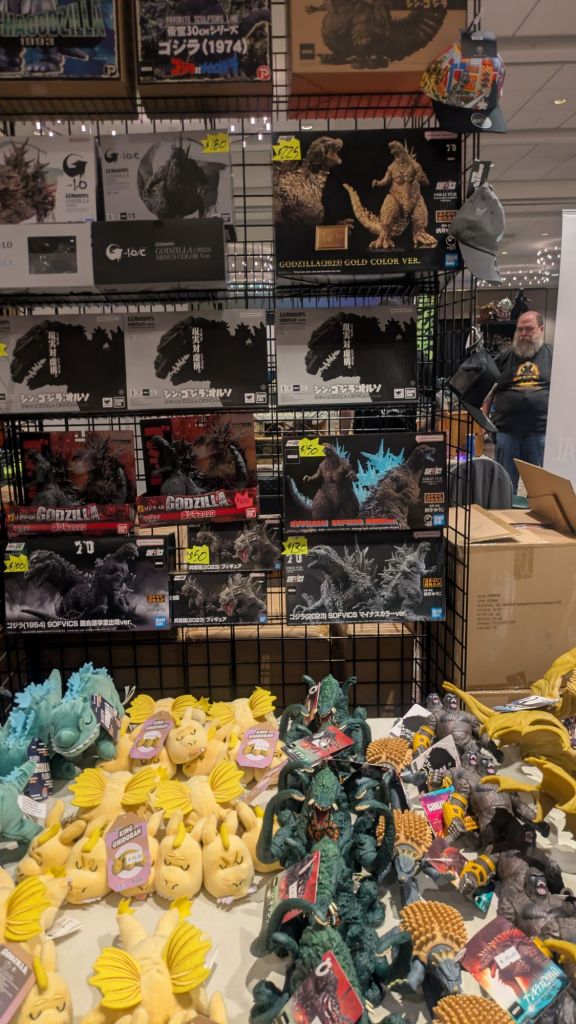
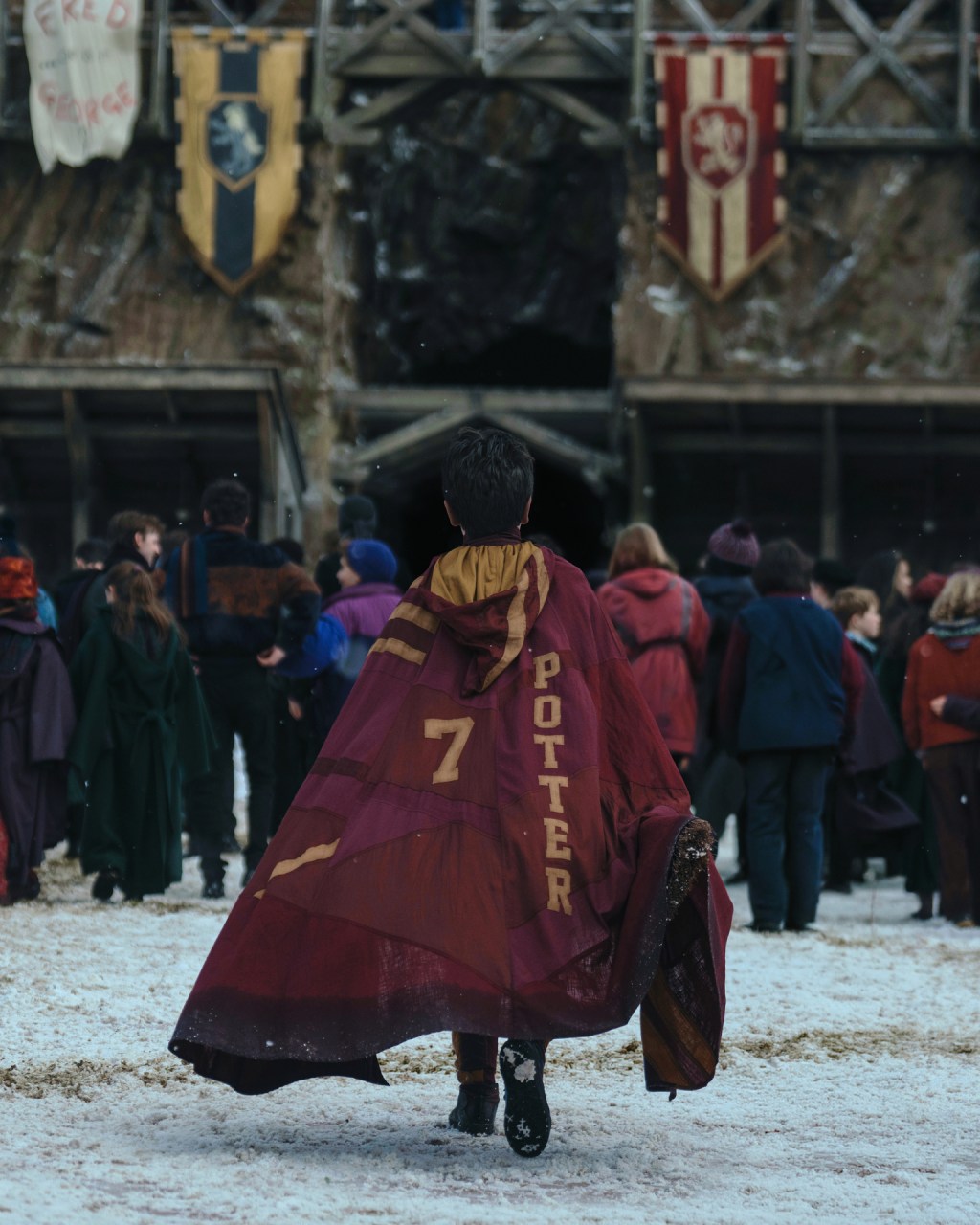
Discovering new sorts of pop culture is rewarding—especially when it hits home as a nearly forty-year-old man. It all finally makes sense to me now. A huge part of me believes that my journey as an Otaku is just beginning. And rediscovering old pop culture as something new? That’s what this site is all about!

 TGM
TGM 
Leave a comment